
Have you ever wanted to start an off-grid solar power system for your home? Today is your lucky day; we will let you know everything you need to do just that.
An off grid solar system provides an alternative to traditional energy sources, offering energy independence and sustainability. By maximizing the sun’s energy, this system presents an opportunity for eco-friendly living, even in areas where conventional power grids are unavailable. This article will give you a thorough perception of what off grid solar are, the essential components that make them work, the factors that influence their design, tips for selecting the right system.
What Is the Off-Grid Solar System?

An off-grid solar system, as the name suggests, refers to a power system that is independent of central power grids. This off grid solar kit comprises a series of interconnected solar panels, batteries, and a charge controller, designed to generate and store electricity for later use. Importantly, off-grid systems stand alone, meaning that they do not interrupt or require support from the public electricity grid.
In contrast to on-grid systems that can supplement power supply with grid power during periods of low solar output, off-grid systems are designed to be entirely self-sufficient. Thus, these systems need to be tailored not only to meet the daily energy demands of a household or business but also to account for periods when there might be insufficient sunlight, like during rainy or winter seasons.
Components of an Off-Grid Solar System
The following are the primary components of an off-grid solar system:
Solar Panels
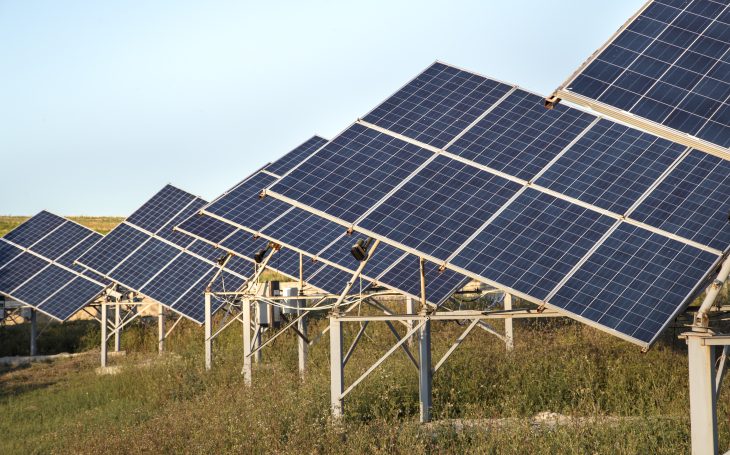
Solar panels (photovoltaic cells) are the most visible component of an off-grid solar system. They convert sunlight into DC (Direct Current) electricity, serving as the primary source of energy generation. Today’s standard panels consist of 60 to 72 cells, with the number of cells affecting the size and output of the panel.
Charger Controller
The charger controller manages the flow of electricity from the PV solar panels to the battery bank. Its primary function is to ensure the batteries are charged properly while preventing overcharging, which can damage the battery lifespan over time. Meanwhile, it also eliminates the reverse current flow from the batteries back to the panels at night when the panels are inactive.
Inverter
An inverter converts the DC current from the PV solar panels into usable AC (Alternating Current) electricity, which most household and office appliances use. The inverter’s role is critical in ensuring that the solar-generated power can be used with everyday power systems. High-quality inverters ensure a stable and uninterrupted flow of electricity without causing any dips or surges, which can potentially damage sensitive appliances.
Power Bank
Power banks, or battery banks, are responsible for keeping the excess energy produced by the solar panels during the day. They ensure that electricity is available when sunlight isn’t, such as during night time or cloudy periods. The most common battery types include lithium and lead acid, with lithium iron phosphate (LiFePO4) batteries often more favored due to their durability, efficiency and maintenance-free attributes.
Factors Affecting Off-Grid System Design for Homes
Factors affecting the design of off-grid systems include:
Energy Demand and Consumption Patterns
Understanding the energy demand and consumption patterns of a household or business is vital when designing off grid solar system packages. This encompasses taking into account the specific power requirements of various appliances as well as adjusting the peak usage time throughout the day.
Geographical Location and Solar Insolation
The amount of solar energy generated is influenced by the geographical location’s sun exposure. Solar insolation (the amount of sunlight incident per unit area) varies based on the latitude and the climatic conditions of the location. For instance, in South Africa, due to its position near the equator and predominant sunny climate, regions experience high solar insolation levels. This makes it a favorable location for solar installations, as panels can capture and convert more sunlight into electricity throughout the year.
Seasonal Variations
In addition to geographical considerations, it is crucial to account for seasonal variations in sunlight availability. Seasons with shorter days or increased cloud cover can significantly reduce the power generation of a solar system.
Available Space for Installation
In addition to geographical considerations, it is crucial to account for seasonal variations in sunlight availability. Seasons with shorter days or increased cloud cover can significantly reduce the power generation of a solar system.
System Reliability and Maintenance Needs
In addition to geographical considerations, it is crucial to account for seasonal variations in sunlight availability. Seasons with shorter days or increased cloud cover can significantly reduce the power generation of a solar system.
Tips on Choosing an Off-Grid Solar System for Homes
Here are some of the useful tips when choosing an off-grid solar system:
1. Assess Your Energy Needs: Begin by conducting an energy audit to determine your average daily power consumption. This provides a baseline upon which your system will be designed. For example, if you frequently use high-wattage appliances, you’ll need a system with a higher power output.
2. Research Solar Panel Efficiency and Compatibility: Look for solar panels that boast high efficiency and compatibility with your off-grid system configuration. Monocrystalline panels often have a higher efficiency rate compared to other types. Ensure that the chosen panel type aligns well with your system’s voltage and current requirements to prevent potential mismatches or system inefficiencies.
3. Select Suitable Inverter and Battery Options: Choose an inverter and battery that fit your energy needs. Factors to consider include the inverter’s efficiency and the battery’s capacity and lifespan.
4. Consider Installation Logistics and System Cost: Investigate the logistics of installing the off-grid system, which includes understanding the installation cost, availability of suitable space, and local permitting requirements.
5. Factor in Maintenance Need and Support: Prioritize systems with a strong track record of reliability and good manufacturer support to reduce the risk of unexpected failures and costly maintenance.
Explore Expert Solutions with Ecuip Engineering
Transitioning to off-grid solar systems for homes offers independence and sustainability. Partner with Ecuip Engineering for expert design and engineering solutions tailored to your residential energy needs. For seamless installation, rely on Ecuip Energy, our dedicated service arm, ensuring your transition to renewable energy is smooth and efficient.
FAQ
Is off-grid solar a viable way to power your home?
Yes – off-grid solar power is a viable and sustainable way to power your home.
What Is Difference between Grid-Tied and Off-Grid Solar System?
Grid-tied and off-grid solar systems differ primarily in their connection to the main energy grid. A grid-tied solar system is primarily connected to the electricity grid and can both draw from and contribute to it. Conversely, an off-grid system is not linked to the grid and relies solely on solar power and battery storage.
Conclusion
Strategically investing your resources into an off grid solar system, beyond monetary savings, pays dividends to both your sense of self-reliance and your environmental stewardship. It’s imperative to carefully evaluate all factors, from system design nuances to budgetary constraints. By choosing the right solar system, you’re not just powering your home; you’re laying the foundation for a sustainable, solar-lit future for the entire planet.


