

In this article, join us on this trip to learn the ins and outs of commercial solar to sell. Whether you’re an individual investigating the commercial solar environment or a company owner considering sustainability, we can help you with anything from comprehending the technology and installation procedure to navigating rebates, expenses, and the top businesses available.
What are commercial solar panels?
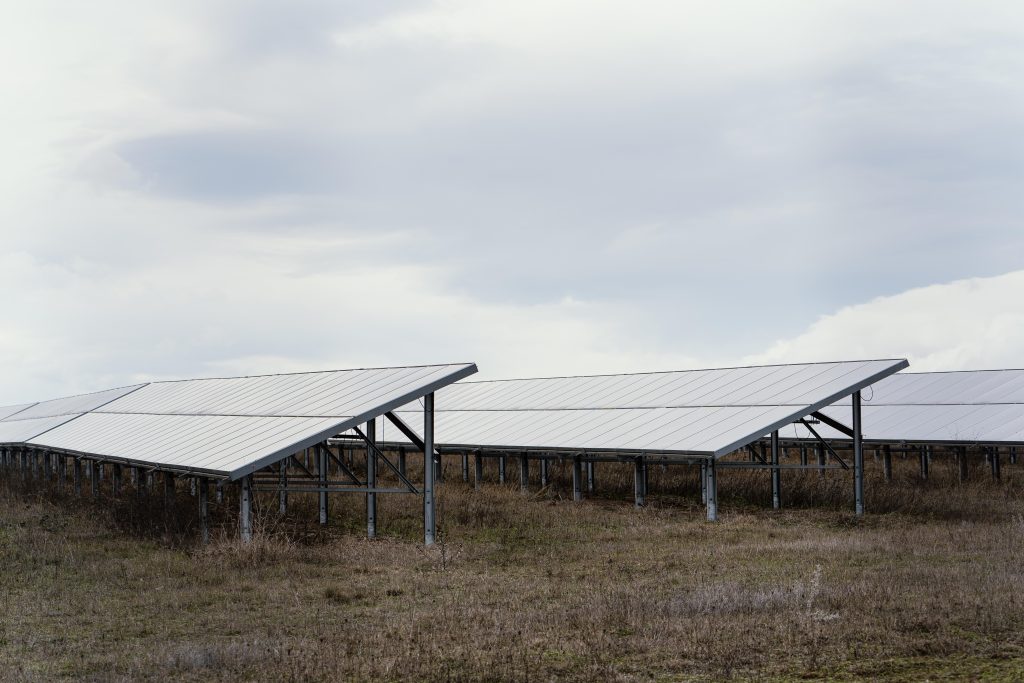
A solar system utilized for business, industry, or public usage is known as a commercial solar system. Commercial solar panels may generate more electricity than residential ones since they are often bigger and more powerful. Grid-connected or hybrid commercial solar systems often store extra power for use during periods of low sunshine or high demand, or they may be sold to the grid.
Where can commercial solar panels be installed?
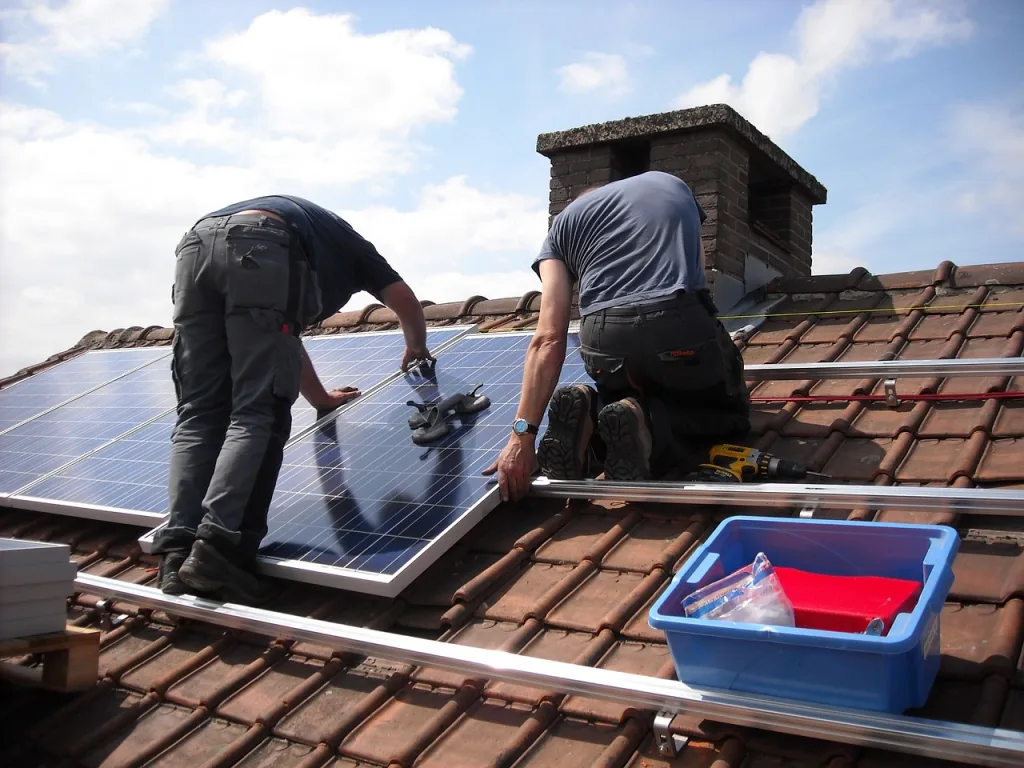
Commercial solar panels can be mounted on a variety of surfaces, including parking lots, roofs, ground installations, and water features, among others.
Commercial building rooftops
This is a popular choice for large, flat roofs that can hold solar panels, such as those found on office buildings, factories, warehouses, and similar locations. Solar panels installed on the roof can lower cooling expenses while shading the structure.
Ground level
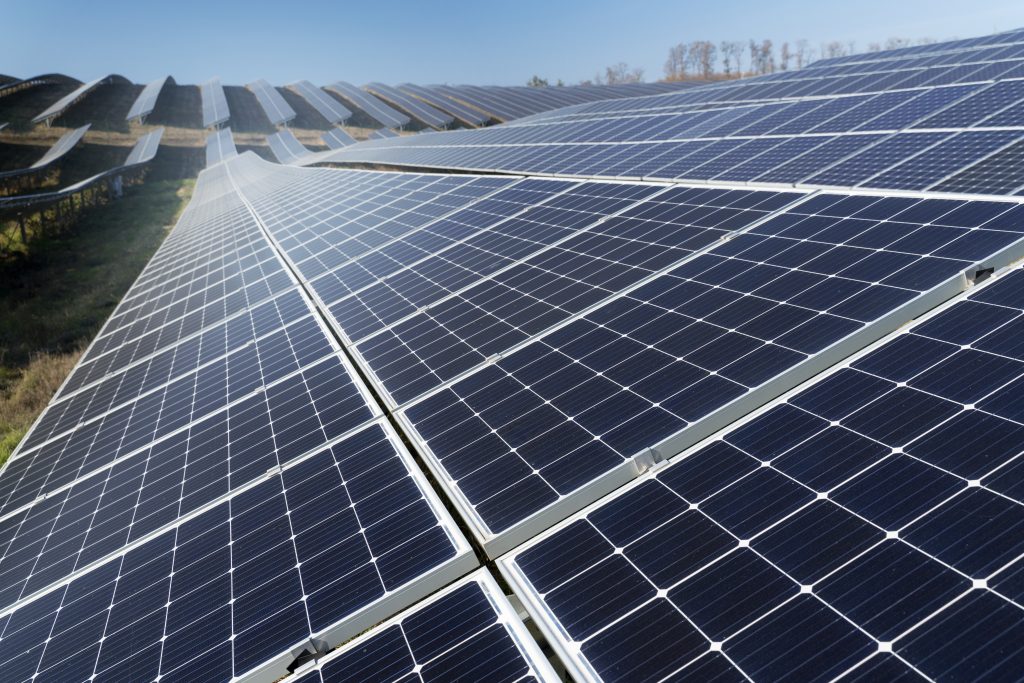
Another popular spot for commercial solar panel installations is the ground level, which is ideal for companies or groups with a lot of open space. To increase the efficiency of power generation, ground-mounted solar systems can be chosen with either fixed or tracked mounts, based on the topography and amount of sunshine.
Car parks
Parking lots are ideal places for business solar panel installations since they combine practicality and aesthetics. They provide clean electricity in addition to offering shelter from the sun and rain. Solar panels for parking lots are frequently installed in steel or aluminum frames to blend in with the parking lot’s overall architecture.
Agriculture
There are many opportunities and possibilities for commercial solar panel installations in the field of agriculture. To establish a win-win scenario, they can be integrated with aquaculture, livestock, or crops. Depending on the type of agriculture, agricultural solar systems can be chosen with the proper height, spacing, and angle for light and ventilation.
How much do commercial solar panels cost?
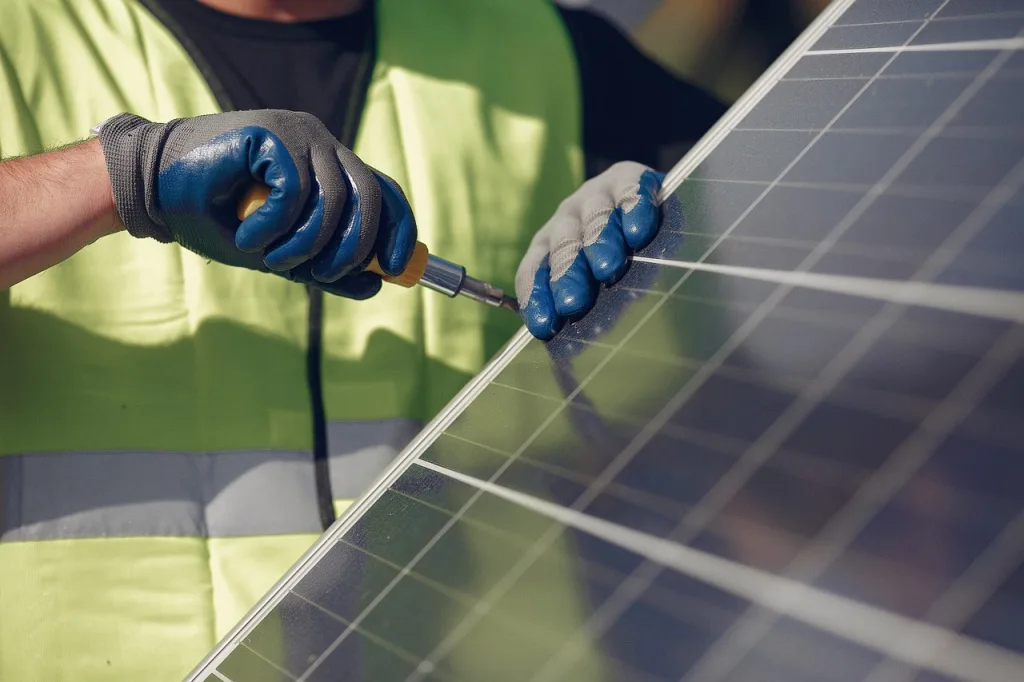
The real cost of solar panels for businesses is determined by a number of variables, including
Size and type of system
Larger systems have lower unit costs. Cost is also influenced by the type of system; for example, tracking mounts are more expensive than fixed mounts, while grid-connected systems are less expensive than off-grid systems.
Price and quality of panels
Prices and performance of panels vary depending on the brand and quality. Generally speaking, better performance, longer lifespans, and cheaper upkeep are associated with higher prices
Location and difficulty of installation
Labor and material expenses vary depending on the location and installation difficulty. In general, flat roofs are easier to install than pitched roofs, car park installation is more complicated than farm installation, and roof installation is less expensive than ground installation.
Local markets and policies
Different amounts of supply, demand, and rivalry exist in different markets and in different domains. In general, a market’s maturity correlates with its level of competition and pricing. Costs can also be impacted by policies. For instance, in certain areas, net metering, tax incentives, and subsidies can lower the upfront or ongoing costs of installing commercial solar panels.
How to install solar panels for commercial buildings
Consultation and evaluation
To start, identify a reputable and competent manufacturer of commercial solar panels like Ecuip Engineering. Ask them about solar panels for your building or property, and have them conduct an evaluation of the site to ascertain the ideal placement, dimensions, kind, and configuration for your installation.
Sign a contract and submit a permit application
Second, in accordance with local laws and regulations, you must apply for and receive the necessary permits and approvals as well as sign a contract with the commercial solar provider. These could consist of fire service reviews, building permits, and agreements with electricity companies.
Transportation and procurement
After that, you’ll have to wait for the commercial solar firm to gather the necessary tools and supplies and deliver them to the installation site. Panels, inverters, mounts, wires, switches, and other items may be among them.
Installation and commissioning
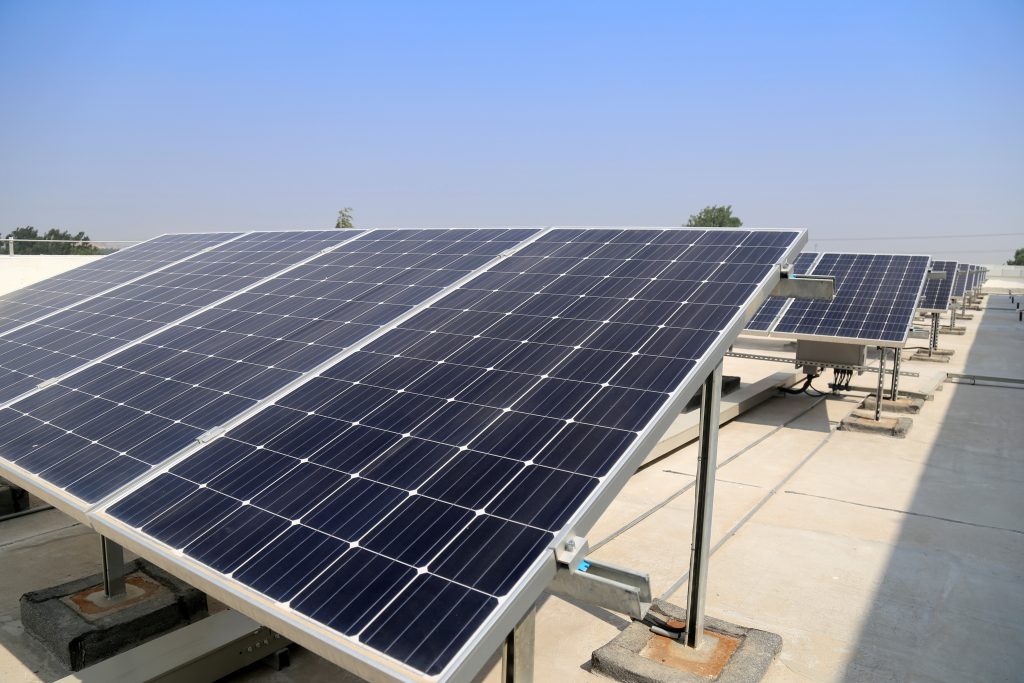
The skilled engineers and technicians employed by the business solar provider will then need to install and commission your commercial solar system. These might be installing the brackets, mending the panels, attaching the wiring, assembling the inverter, assessing the functionality, and so on.
Inspection and acceptance
Lastly, you need to have the appropriate authorities or organizations inspect and approve your business solar system. These might be the fire department, the electrical company, the building department, etc. If all goes according to plan, you can begin using your business solar system.
Commercial vs. Residential Solar Panels
Size and power
Usually ranging from 200 to 400 watts, residential solar panels are both smaller and less potent than commercial solar panels. Commercial solar panels usually have between 400 and 600 watts of power, making them bigger and more potent than domestic solar panels.
Location and mounting
Roof hooks or brackets are typically used to secure residential solar panels to sloping roofs. Typically, commercial solar panels are installed on agricultural properties, parking lots, flat roofs, and the ground. A variety of bracket types and materials are used to fix or track them.
Inverter type
To convert direct current to alternating current, residential solar panels typically employ a tandem or micro-inverter. In order to convert DC to AC, commercial solar panels often require a central inverter or optimizer.
Electrical connection
Single-phase electricity is normally used to link residential solar panels to the home’s electrical switchboard and grid. Three-phase power is typically used to connect commercial solar panels to the grid and switchboard.
Policies and incentives
Policies and incentives like the National Solar Investment Tax Credit (ITC) and Net Metering (NEM) apply to both residential and commercial solar panels; however, commercial solar panels are also eligible for Renewable Energy Certificates (RECs), other subsidies, and loans.
Choose Ecuip Engineering for Commercial Solar Panels
Explore the world of commercial solar panels with us. Our experts guide you through technology, installation, costs, and top companies. Whether for rooftops, ground mounts, or car parks, we simplify your journey to sustainable energy solutions.
Frequently asked questions
1. What is the lifespan of commercial solar panels?
Depending on the type and quality of the panels, as well as how well they are installed and maintained, the lifespan of commercial solar panels is normally 25 to 30 years.
2. How much maintenance do commercial solar panels require?
The little maintenance needed for commercial solar panels is routine dusting and debris removal, inspection of the wiring and connections, and replacement of any worn-out or broken parts. Generally speaking, your commercial solar panels will operate longer and last longer if you complete a maintenance check at least once a year.
Conclusion
Investing in commercial solar panels presents a strategic opportunity for businesses to achieve energy efficiency, reduce operational costs, and enhance sustainability. By understanding the various installation options—such as rooftops, ground mounts, and car parks—and navigating the associated costs and benefits, businesses can make informed decisions that align with their environmental goals and financial objectives.


